How Exposed Is the Manufacturing Sector to Cyberattacks?
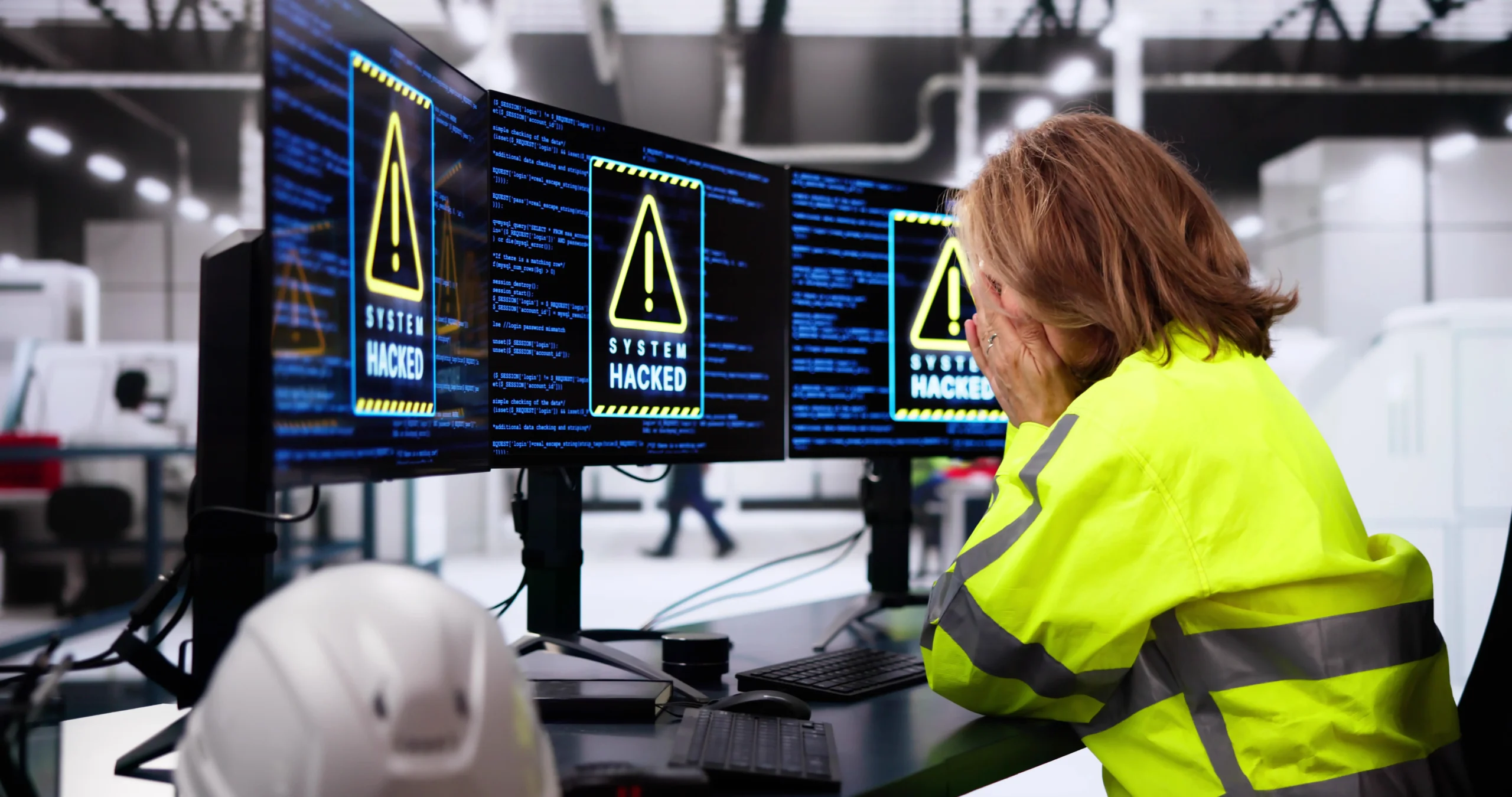
The manufacturing sector is facing escalating cybersecurity pressure. According to a 2025 report by Dragos, manufacturing accounts for 68% of all industrial ransomware incidents and 26% of total cyberattacks across industries, marking the fourth consecutive year it has been the most targeted sector.
This concentration of attacks on manufacturing demonstrates the sector’s critical vulnerability and the urgent need for enhanced cybersecurity measures.
Key Ransomware Attack Statistics and Trends for Manufacturing
Why Are Ransomware Attacks So Common in Manufacturing?
The manufacturing sector faces a wide range of cyber threats, with ransomware as the most devastating attack method. High operational pressure, where downtime can cost an average of $260,000 per hour, leaves manufacturers highly exposed to extortion, especially when combined with valuable intellectual property and legacy Operational Technology (OT) systems not built for today’s cybersecurity threats.
Are the Rate of Cyberattacks Growing for Manufacturers?
Manufacturing cyberattacks have surged, with reports showing an increase of 34 percent in 2025. Chinese cyber espionage operations alone increased by 150 percent overall in 2024, with attacks against the manufacturing sector rising to 300 percent. This escalation has continued into 2026, with attackers becoming increasingly sophisticated in their methods.
How Widespread Are Cyberattacks Against Manufacturing?
Manufacturing ransomware attacks are not confined to a single region. Facilities across Southeast Asia, Hong Kong, Taiwan, and North America have all been targeted, highlighting the global scope of the threat.
Threat actors have conducted sustained campaigns against manufacturing, government, telecom, and media organizations, deploying backdoors and leveraging cloud services such as Dropbox for command‑and‑control to evade detection. This widespread and persistent activity underscores manufacturing’s heightened exposure and reinforces the urgent need for stronger cybersecurity measures.
What Makes the Manufacturing Industry Particularly Vulnerable?
Legacy Infrastructure Challenges
Manufacturing facilities often rely on legacy OT systems designed for functionality rather than security. These systems typically lack modern cybersecurity protections and are difficult to update without causing major operational disruption.
Operational Continuity Pressure
The manufacturing sector operates under immense pressure to maintain continuous production. This often leads to delayed security updates and patches, as organizations prioritize uptime over cybersecurity maintenance.
Valuable Target Assets
Manufacturing companies possess assets that make them high-value targets, including:
- Critical intellectual property, such as product designs and manufacturing processes.
- Sensitive customer and supplier data.
- Financial records and contractual information.
- Supply chain coordination systems, where disruption can trigger cascading impacts across industries.
Interconnected Supply Chains
Modern manufacturing depends heavily on interconnected supply chains, creating multiple entry points for cybercriminals. A single breach at one supplier can compromise numerous partners, amplifying the impact of a successful attack.
The Financial and Operational Impact of Cyberattacks
What is the Typical Cost of a Ransomware Attack?
The financial consequences extend beyond ransom payments. Production downtime costs an average of $260,000 per hour. Additional expenses include incident response, system recovery, regulatory compliance, and legal liabilities.
How Do Cyberattacks Affect the Supply Chain?
Attacks often cause ripple effects throughout global supply chains. A compromised facility can disrupt production schedules, delay deliveries, and force partners to find alternative suppliers, creating widespread economic consequences.
What are the Effects of a Cyberattack on Customer Relationships?
Cyberattacks can cause lasting reputational damage. Customers may lose confidence in a company’s ability to protect sensitive information and maintain reliable operations, leading to lost contracts and reduced market share.
What are the Common Cyberattack Methods and Threat Actors for Attacks on Manufacturers?
Ransomware Groups
Organized ransomware groups heavily target manufacturing due to the sector’s willingness to pay to restore operations quickly. A notable 2025 case was the Sarcoma ransomware group’s attack on Unimicron, a global PCB leader, which disrupted operations in China.
State-Sponsored Attacks
Nation-state actors, particularly from China, have significantly escalated attacks on manufacturing. These campaigns often focus on intellectual property theft and long-term intelligence gathering rather than immediate financial gain.
Insider Threats
Insider risks remain significant, including disgruntled employees, contractors with system access, and shadow IT. The combination of physical and digital entry points in manufacturing environments makes them uniquely vulnerable.
Industry Response and Cybersecurity for Manufacturing
Increased Security Investment
Manufacturers are boosting cybersecurity budgets by deploying advanced threat detection, adopting zero-trust architectures, and expanding employee training programs.
Regulatory Compliance Focus
Governments and industry organizations are establishing new cybersecurity standards specific to manufacturing. Companies are working to align with frameworks that protect both IT and OT systems.
Third-Party Risk Management
Because of supply chain interdependence, manufacturers are implementing stricter third-party risk management to ensure suppliers and partners meet cybersecurity standards.
How RADIN Dynamics’s CRM Program Helps Manufacturers Stay Secure
Enhanced Visibility and Monitoring
A Dynamics 365 CRM set up by RADIN Dynamics provides manufacturers with greater visibility into customer and supplier relationships, identifying potential security risks across the supply chain. Detailed records of business interactions allow faster identification of suspicious activity or breach indicators.
Incident Response Coordination
During a cyberattack, communication with customers, suppliers, and stakeholders is critical. RADIN Dynamics’ CRM system acts as a centralized platform for incident response communications, ensuring all parties receive accurate, timely updates, operational impacts, and recovery timelines.
Supply Chain Risk Assessment
RADIN Dynamics’ manufacturing CRM, built on Dynamics 365, incorporates risk assessment tools to evaluate supplier and customer cybersecurity postures. By integrating questionnaires, compliance tracking, and risk scoring into profiles, manufacturers can make more informed decisions and apply protective measures where necessary.
Compliance Documentation and Reporting
Manufacturers face growing regulatory reporting requirements.
A Dynamics 365 CRM streamlines compliance by tracking all security-related communications, maintaining audit trails, and generating reports to demonstrate adherence to industry standards.
Business Continuity Planning
A Dynamics 365 CRM supports business continuity with comprehensive contact databases, crisis communication templates, and automated alerts to quickly notify stakeholders during disruptions.
Integration with Security Systems
A Dynamics 365 CRM integrates with cybersecurity platforms, providing a unified view of business relationships and security posture. This integration helps companies correlate security events with specific partners, enabling more targeted responses.
Forge the Path to Strong Manufacturing Cybersecurity
Manufacturing now accounts for 68% of ransomware attacks, signaling a persistent and serious threat to the sector. With valuable intellectual property, intense operational pressure, and legacy infrastructure still in place, manufacturers remain prime targets for increasingly sophisticated cyberattacks.
Organizations that take a proactive approach to cybersecurity are better positioned to reduce risk and maintain operational resilience. RADIN Dynamics’ CRM and data solutions help improve visibility, coordination, and security across manufacturing environments.
To better understand your organization’s exposure and how to strengthen your cybersecurity posture, connect with RADIN Dynamics to explore solutions designed for today’s manufacturing challenges.